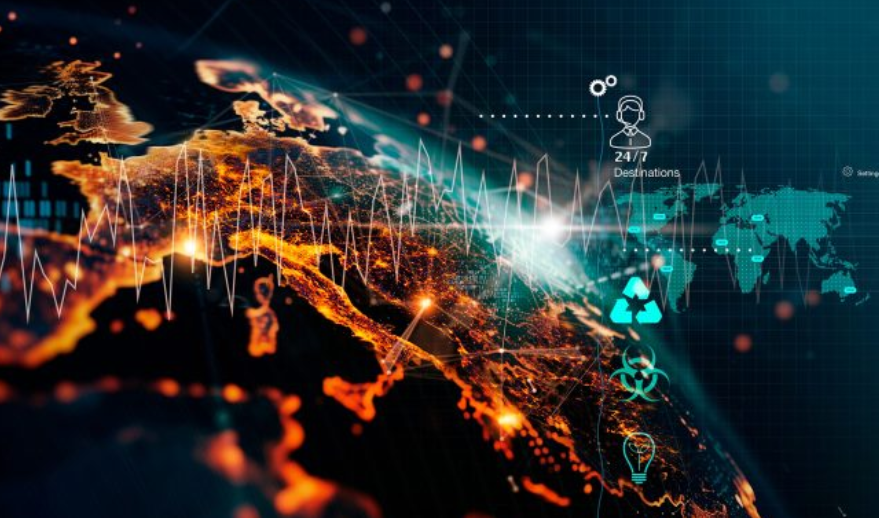
Technology for Climate Monitoring
Technology for climate monitoring serves as a crucial tool in addressing environmental changes. It employs methods such as satellite imagery, IoT sensors, and machine learning to gather and analyze data. This integration not only enhances understanding of climate patterns but also facilitates informed decision-making and public awareness. As communities increasingly rely on accurate information, the relationship between technological innovation and environmental stewardship becomes more apparent. What implications might this have for future climate strategies?
Understanding Climate Monitoring: Why It Matters
Although climate monitoring may seem like a technical endeavor, its significance extends far beyond data collection; it serves as a foundational element in understanding environmental changes.
Effective climate monitoring reveals the intricate relationships between climate change and its environmental impact, enabling informed decision-making.
It equips societies with essential insights, fostering awareness and empowering actions that promote sustainability and resilience in the face of evolving environmental challenges.
See also: Technology Breakthroughs That Redefined Human Progress
The Role of Satellite Imagery in Climate Monitoring
Satellite imagery plays a pivotal role in climate monitoring by providing comprehensive data on various environmental parameters across the globe.
Through advanced satellite applications, scientists can visualize climate changes, track deforestation, and monitor atmospheric conditions. This capability enhances understanding and informs policy decisions, ultimately supporting efforts to combat climate change.
Accurate climate visualization fosters awareness and empowers individuals to advocate for sustainable practices.
How IoT Sensors Help Us Collect Environmental Data in Real Time?
Real-time environmental data collection is revolutionized by the integration of Internet of Things (IoT) sensors, which provide critical insights into climate conditions.
These environmental sensors, interconnected through IoT networks, enable efficient data transmission and facilitate real-time analysis.
Harnessing Machine Learning for Climate Monitoring Data Analysis
The integration of IoT sensors in environmental monitoring generates vast amounts of data, presenting both opportunities and challenges for analysis.
Machine learning algorithms offer robust tools for processing this data, enabling predictive analytics that can forecast climate trends and anomalies.
Conclusion
In conclusion, the integration of satellite imagery, IoT sensors, and machine learning forms a robust framework for climate monitoring. This technological synergy not only enhances data collection and analysis but also promotes informed decision-making and public engagement. By visualizing climate patterns and changes, these tools empower communities to adopt sustainable practices and strengthen resilience against environmental challenges. As such, technology serves as both a catalyst for awareness and a critical resource in the fight against climate change.