The Role of Biometrics in Security
Biometrics involves the use of unique physical and behavioral traits for identification and authentication purposes. This technology has gained traction in various sectors due to its ability to streamline security processes and reduce unauthorized access. However, as organizations implement biometric systems, they must navigate significant challenges, particularly concerning privacy and data protection. Understanding these dynamics is essential for evaluating the future impact of biometrics on security protocols.
What Are Biometrics and How Do They Work?
Biometrics refers to the measurement and statistical analysis of people’s unique physical and behavioral characteristics.
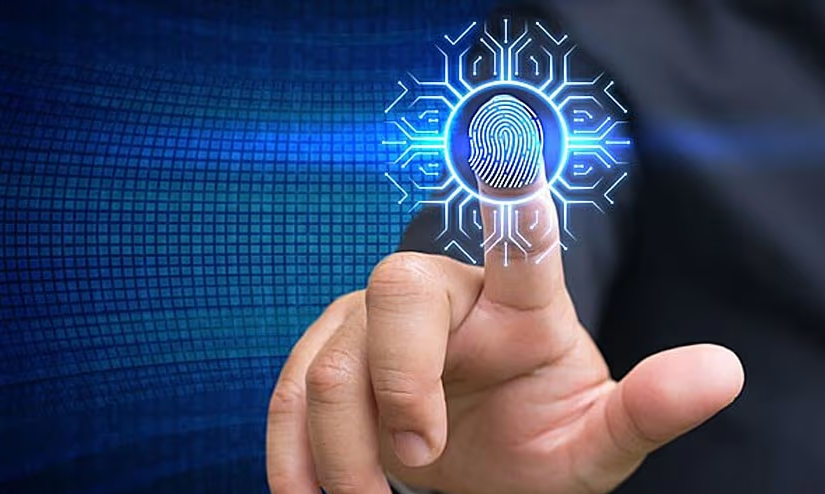
Techniques such as fingerprint recognition and facial detection utilize algorithms to capture and compare these traits.
See also: The Role of Code Quality in Technology
Top Benefits of Biometrics for Enhanced Security
Although various security measures exist, the implementation of biometric systems offers distinct advantages that significantly enhance security protocols.
Fingerprint recognition provides a unique identifier that is difficult to replicate, while facial authentication leverages advanced algorithms for precise user verification.
These technologies not only streamline access control but also mitigate unauthorized entry, thereby reinforcing security measures and empowering individuals with a sense of autonomy in protecting their identities.
Applications of Biometrics Across Various Sectors
As organizations increasingly seek innovative ways to enhance security and streamline operations, the integration of biometric technologies has emerged as a transformative solution across various sectors.
In healthcare applications, biometrics facilitate accurate patient identification and secure access to medical records.
Similarly, in financial services, biometric authentication enhances transaction security, reducing fraud and ensuring user privacy while promoting operational efficiency and customer satisfaction.
What Challenges Do Biometrics Face?
Despite the promising advancements and applications of biometric technologies across various sectors, several challenges hinder their widespread implementation.
Privacy concerns regarding data security and potential misuse are paramount, as individuals fear unauthorized access to their biometric information.
Additionally, technological limitations such as accuracy and interoperability can undermine system effectiveness, posing obstacles to acceptance and trust in biometric solutions essential for enhancing security measures.
Conclusion
In conclusion, biometrics significantly enhances security by leveraging unique physical and behavioral traits for user authentication. With an estimated 1.4 billion biometric-enabled devices projected to be in use by 2025, the impact of these technologies is poised to reshape access control across sectors. However, as organizations adopt these solutions, the imperative to address privacy concerns and ensure robust data protection remains critical to maintaining user trust and facilitating widespread acceptance of biometric systems.